


On Tuesday, Prime Minister Mark Carney publicly stated that Canada’s overall greenhouse gas emissions (GHGs) will be “higher in the next few years” than previously projected under the prior Prime Minister Justin Trudeau’s Liberal government. This statement came from a 17 minute long video released on the prime minister’s social media platforms titled “Forward Guidance: Canada’s Energy Future.”
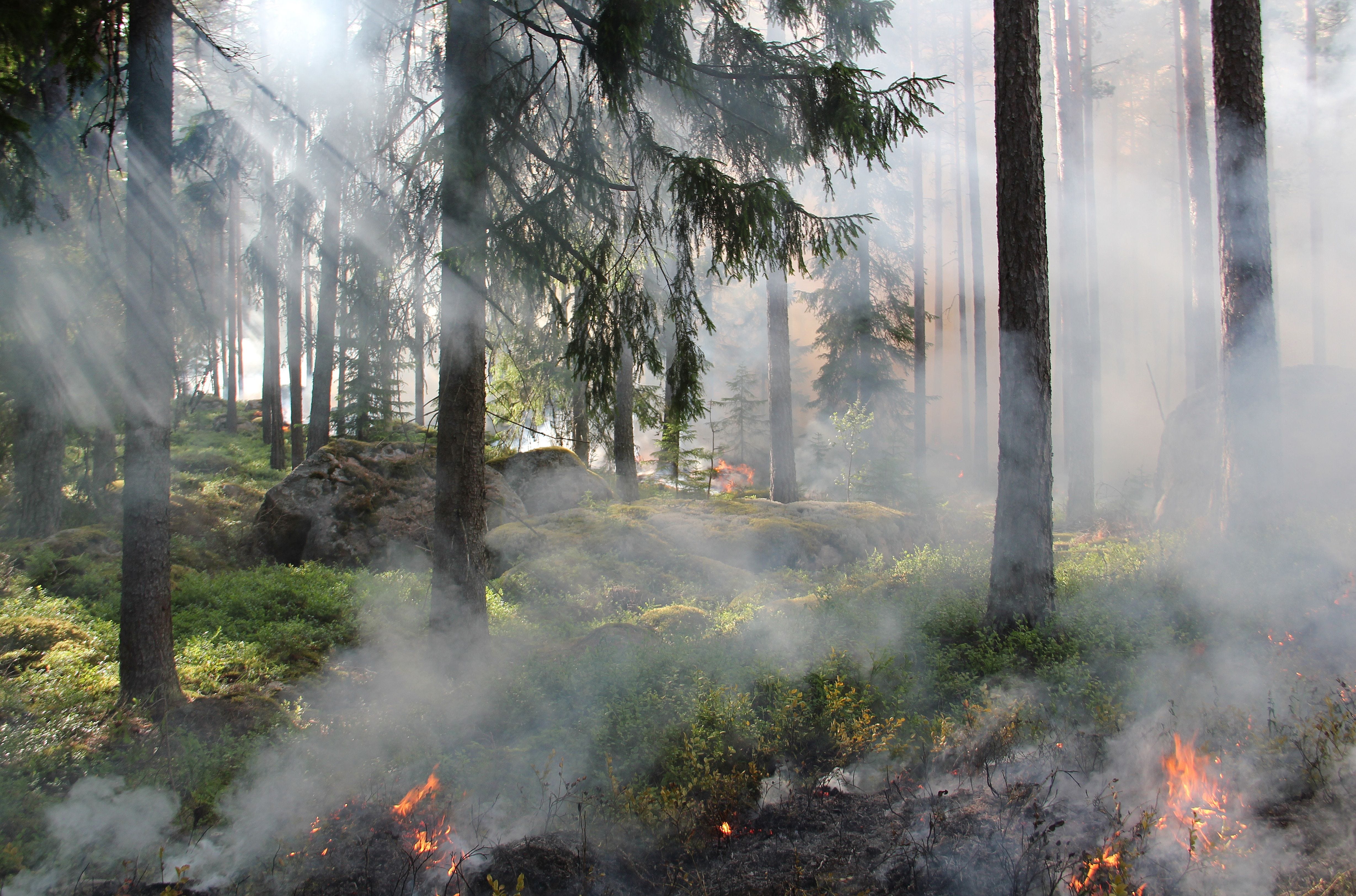
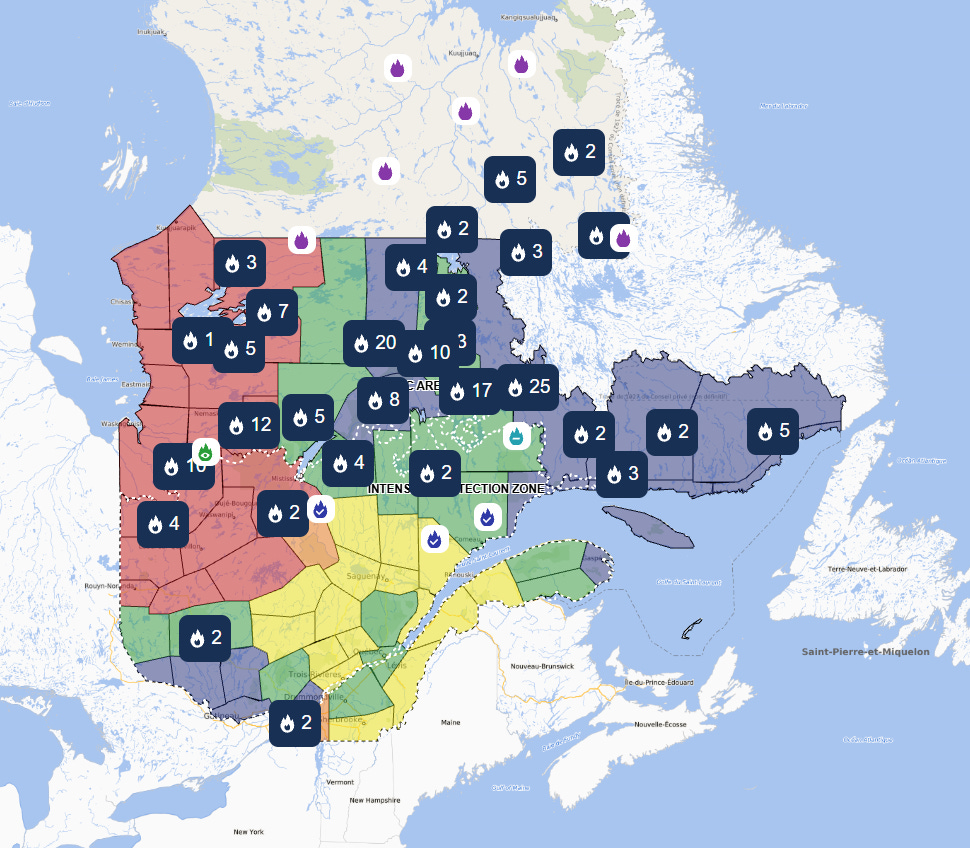
This news comes as a severe heatwave hits eastern Canadian provinces like Ontario and Quebec, leading to advisory warnings and cancellations of Canada Day festivities. Quebec itself is facing over 100 wildfires, with the northern region having the densest amount in an unnatural turn of events. Meanwhile, in Europe, a record-breaking heatwave has killed more than 2,000 people in both Spain and France.
Locally, the Metro Vancouver area is facing Stage 3 water restrictions, the strongest seen in over a decade.
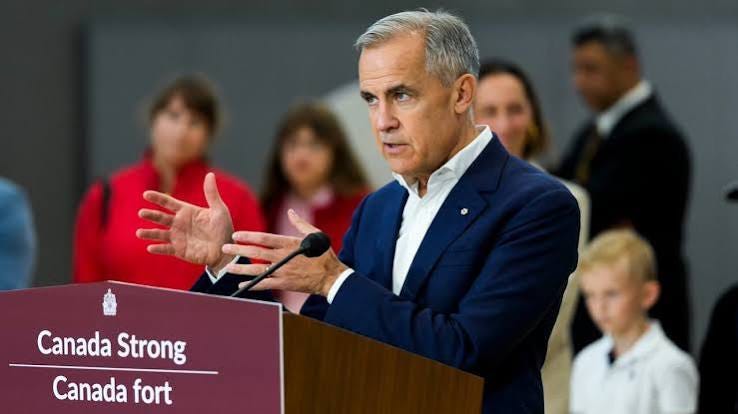
In the video, Carney states that “The climate crisis is still with us, and our commitment to fighting it is absolute, but the certainties of the world of 2015 are long gone. Our neighbourhood hasn’t been this hostile since Canada was founded.”
He continues by saying that Canada will need these high emissions to provide trading partners with “new sources” of energy and to foster further economic independence from the United States.
The prime minister envisions this through an intense “electrification” of the country’s energy sources, through a huge investment in doubling our power grid. Carney cites projections that seven in ten Canadian households will pay less for their total energy by 2050 and put $15 billion “back into the pockets of Canadians,” but no sources were given for these figures.
He also discusses maintaining versatility in our power sources through sources like hydro, gas, and nuclear (emphasizing this one through the government’s Nuclear Energy Strategy).
Further details
Carney discusses that Canada faces an energy crisis “on three levels.” He discusses the current situation as a combination of an affordability, security, and a climate crisis. The “security crisis” refers to the US-Israeli war on Iran, which Carney has previously supported “with regret.”
As for the affordability factor, Carney believes that the previous emission targets set by his predecessor, Trudeau, would put too much economic pressure on the average Canadian.
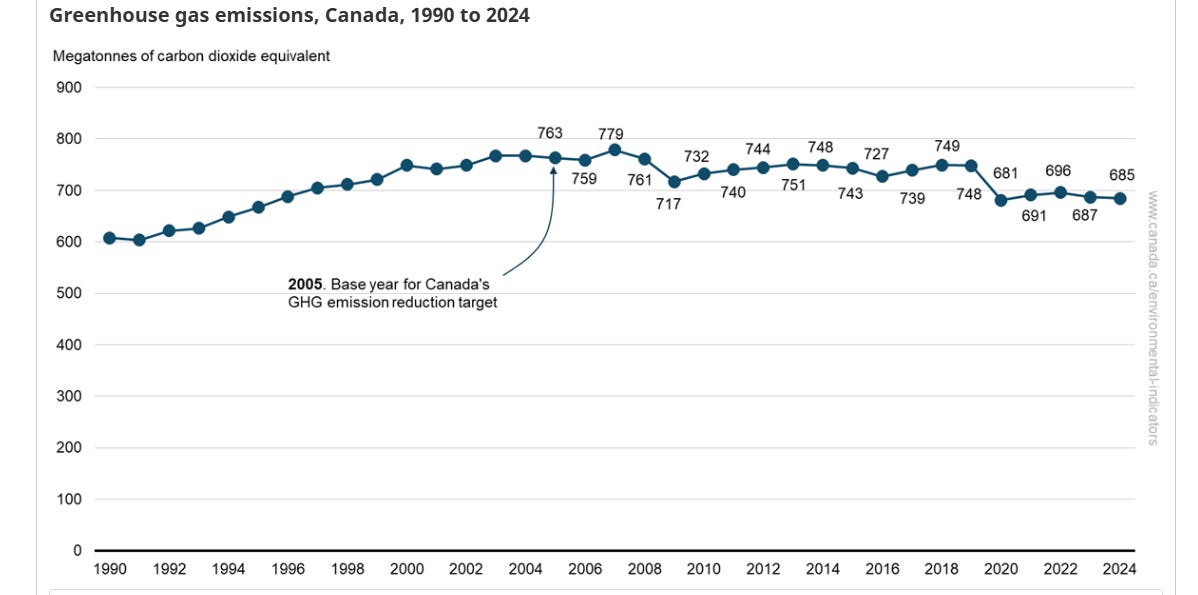
In the previous Liberal government under Trudeau, Ottawa committed to reducing GHG emissions in 2030 at 35 to 38 percent below 2019 levels, while providing flexibility with compliance to emit up to a level about 20 to 23 percent below 2019 levels.
The previous emissions cap was set with the intention of reaching net zero by 2050, as adopted from the international, legally binding 2015 Paris Agreement. The press statement released in 2024 cited the impacts of the climate crisis, including increased flooding, heatwaves, and wildfires, resulting in severe economic losses and health impacts on everyday Canadians.
With Carney confirming that emissions are now set to rise in the latter part of the 2020s, it is unclear if Canada can still reach net zero by then.
Criticism
Coastal Front received comments from Thomas Green, a senior manager in climate solutions at the David Suzuki Foundation, a large environmental NGO in Canada.
Green cited how, in May, Canada voted in favour of the United Nations General Assembly resolution welcoming the International Court of Justice’s advisory opinion on climate change. This advisory opinion clarified that states have internationally binding legal obligations to protect the climate.
“By doing this, the Carney government endorsed that states have legal obligations to protect the climate and prevent activities that cause climate harm,” said Green.
He continued, “Our message to Carney is this: why make that declaration on the world stage, when at home your government just struck a deal to fast-track a new pipeline and weaken the very environmental protections that uphold those obligations? Why endorse that finding internationally when you know Canada is already off track to meet its own emissions targets?”
Green mentioned that Carney is bankrolling fossil expansion and gutting key Canadian environmental protections in the name of “economic prosperity.” As Carney said himself in the video, “we can’t afford to restrain the growth of an important part of our energy mix, oil and gas, to meet a short-term goal.”
Before this announcement, Carney’s government had previously received criticism for being vague on climate goals inherited from the Trudeau era. Critics cite capitulations by him to the oil lobby and Alberta Premier Danielle Smith on the issues of pipelines. Recent lobbying from the company Capital Power led to Carney allowing gas-powered AI data centres to be built in Alberta, with the company lobbying the government a total of 37 times.
Climate damages cost Canadians billions of dollars. Climate-induced damage projected to slow Canada’s economic growth by $25 billion, equivalent to half of our projected growth last year, according to a report from the Canadian Climate Institute.
Green summarized his criticism of Carney by saying, “True prosperity depends on planetary health and a stable climate. That’s the planet you just told the world you’d protect.”
I think there’s value in recognizing that energy policy can’t be built around emissions targets alone. If a more pragmatic approach strengthens Canada’s energy security and competitiveness while still investing in cleaner energy, that seems like a more durable path forward.
Definitely concerning. Canada needs to find a better balance between economic growth and reducing emissions.