



Less than two years after voters returned his government to power, BC Premier David Eby has called another election while his government forecasts massive deficits through 2028-29.
The premier called a snap election on September 22, setting October 24 as Final Voting Day. BC’s next provincial election had previously been scheduled for late 2028.
Eby says the early vote is necessary because the trade conflict with the United States represents an “existential moment” for BC.
The election call also ends the term against which his previous fiscal goal can be measured.
Voters question the early election
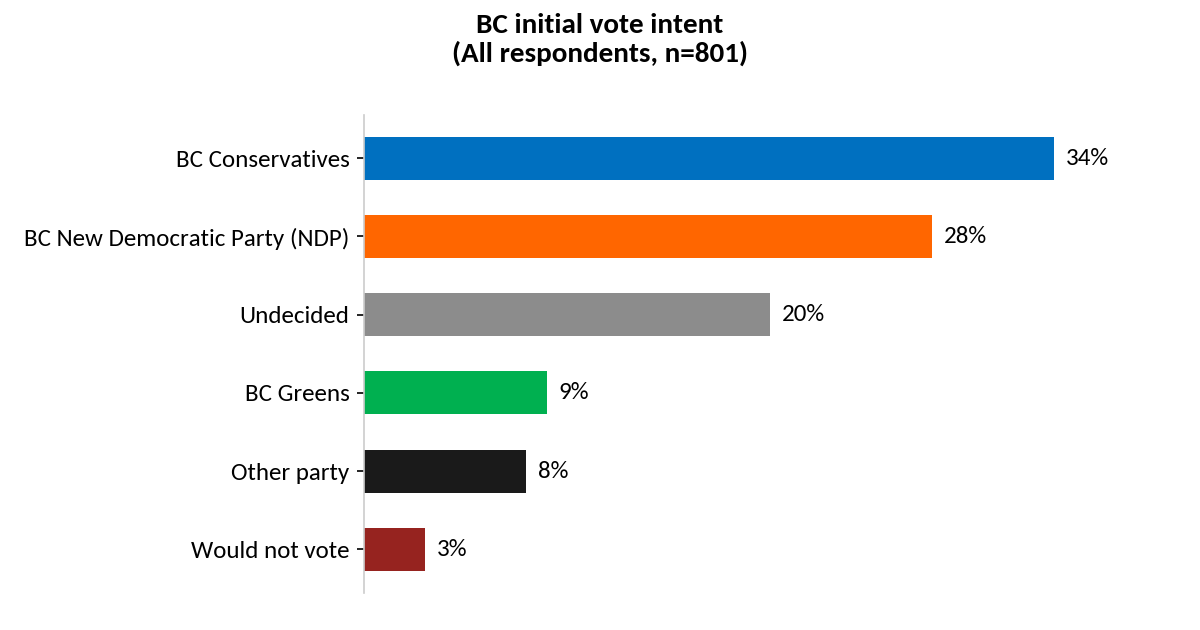
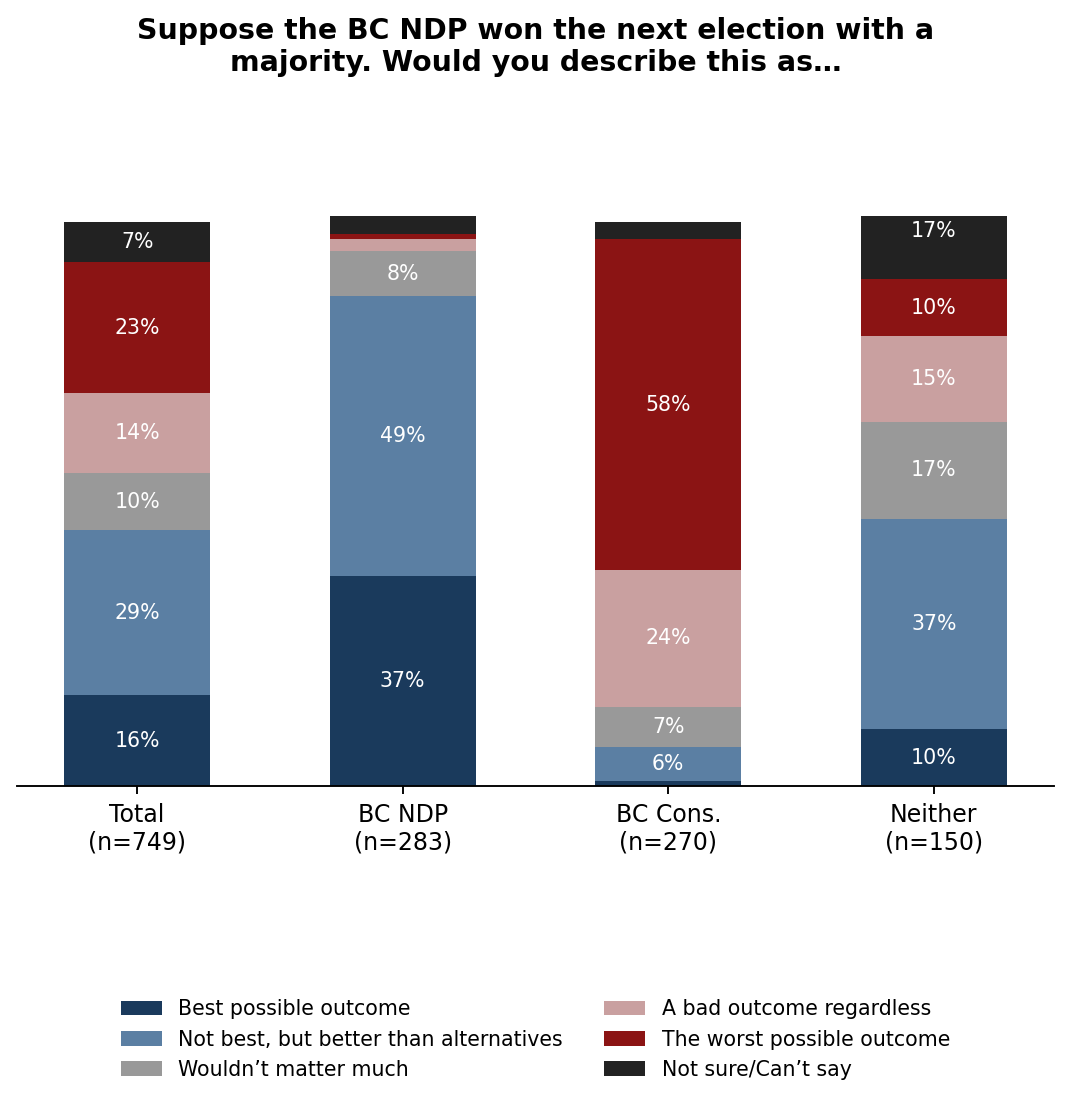
An Angus Reid Institute survey conducted September 22–24 found that 62 percent thought the election was too soon. Another 65 percent said Eby was putting staying in power ahead of the province’s interests. The BC Conservatives led the NDP 43 percent to 35 percent among decided and leaning voters, but one in five respondents was undecided and 56 percent said the Conservatives were not ready to govern. Nearly one in four named the deficit or government spending as an important voting issue.
In September 2024, ahead of the last provincial election, Coastal Front sat down with Eby for an exclusive interview about BC’s deteriorating finances. The latest reported year-end total provincial debt was already $107.46 billion.

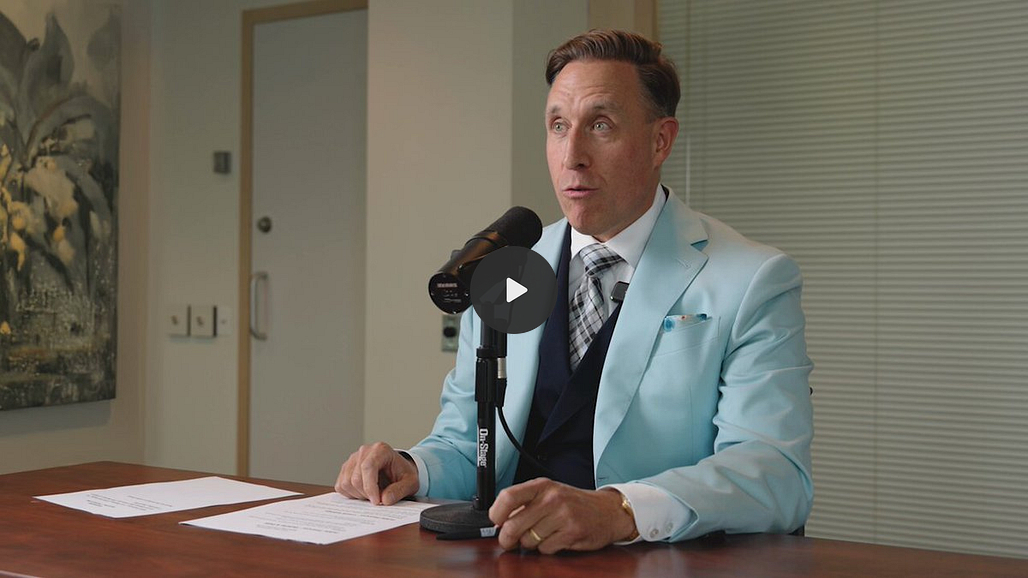
We asked whether he intended to cut spending. Eby defended borrowing for infrastructure. Later, when we asked whether his government would eventually reach a balanced budget, he answered: “Oh, absolutely.”
Pressed for a timeline, he said: “Our goal is within the next term of government to be back to balance.”
That term is now ending early. BC remains in deficit, and the government projects no balanced budget through 2028-29.
A $13.8-billion deficit forecast
BC finished the 2025-26 fiscal year with a $7.7-billion deficit. The outlook for the current year is considerably worse.
The government’s September 14 first-quarter update increased the 2026-27 deficit forecast to $13.8 billion, $450 million higher than projected in Budget 2026. Its updated three-year fiscal plan forecasts deficits of $12.7 billion in 2027-28 and $12.0 billion in 2028-29.
The deterioration in this year’s forecast came despite revenue now being projected $789 million above budget. Expenses are forecast approximately $1.2 billion higher, including $614 million in additional wildfire costs and $458 million in higher refundable tax credits.
Even the last full fiscal year before the election was originally due in October 2028 is forecast to end $12.7 billion in the red — nowhere near Eby’s stated goal.
What drove the debt surge
When Coastal Front pressed Eby about BC’s mounting debt in 2024, he made the need for schools, hospitals, healthcare and transportation the centre of his answer. Cancelling those projects, he argued, would significantly reduce the debt.
His answer meets a clear test in the province’s 2024–25 debt accounts.
That year, total provincial debt, including borrowing by the government and Crown corporations, jumped from about $107.5 billion to $133.9 billion. Taxpayer-supported debt, the portion whose costs are covered by government revenues, rose by $23.69 billion.
The province’s Public Accounts attributed $4.96 billion of that increase to direct government capital borrowing, which funds long-lasting assets such as schools and hospitals. It attributed another $2.79 billion to the BC Transportation Financing Authority, whose debt appears in a separate category.
The largest entry was $15.79 billion for government operating requirements. That is the province’s category for borrowing tied to operating needs rather than debt assigned directly to capital projects. It describes an increase in debt, not the year’s budget deficit. Put simply, about $2 of every $3 added to taxpayer-supported debt fell into the operating category.
Four rating agencies. Four lower ratings
Credit agencies had already sounded alarms when Coastal Front interviewed Eby in 2024. S&P had downgraded BC three times since 2021, including twice during Eby’s premiership. Fitch had also cut BC’s rating in 2021, before he became premier. Moody’s still gave BC its highest rating in 2024, but changed its outlook to negative that April, citing the absence of a specified timeframe for returning to balance.
A credit rating is an agency’s assessment of the province’s ability to repay its debt. AAA, or Aaa at Moody’s, is the highest grade; AA and A are lower. A lower grade can make new borrowing more expensive. An outlook is separate from the grade: “negative” signals a risk of another cut, while “stable” does not reverse a downgrade.
Asked about downgrades and borrowing costs, Eby acknowledged the importance of ratings but again emphasized infrastructure.
“The major critique that the credit rating agency that downgraded us made against us was that our capital budget was too high,” he said, citing schools, roads, hospitals and transit.
Since Eby’s interview, all four agencies that rate BC have lowered its long-term credit rating. Three now assign the province a negative outlook, signalling that further cuts are possible. Their reports cite persistent deficits, rising debt and no clear path back to balance. Eby’s focus on the capital budget does not answer those concerns.

Moody’s downgraded BC again in March 2026. It cited growing operating and capital spending, large structural deficits and rising debt. It said the province relied on borrowing to fund operating deficits as well as capital projects.
S&P downgraded BC in April. It projected persistent deficits both in regular operations and after capital spending through fiscal 2029 that “stand out among peers globally.” It warned that another downgrade was possible without progress reducing structural deficits.
Fitch cut BC’s rating two grades on April 9. It cited projected operating deficits and capital spending, only modest measures to offset them, and no near-term plan to return to balance.
Morningstar DBRS downgraded BC on April 9, citing deteriorating public finances, sustained elevated deficits and a larger borrowing program. It changed its outlook to stable because it expects deficits and debt growth to ease gradually. The rating itself still fell.
Interest costs take a bigger bite
BC’s growing debt is bringing a bigger interest bill.
The province measures that cost with its taxpayer-supported “interest bite.” In 2025–26, it recorded 4.7 cents in interest costs for every dollar of taxpayer-supported revenue. The government forecasts 6.1 cents in 2026–27, 7.3 cents in 2027–28 and 8.2 cents by 2028–29.
That rising cost is the risk Coastal Front raised with Eby in 2024.
The term is ending. The fiscal goal remains unmet.
So, to recap: the latest published year-end debt figure when Coastal Front interviewed Eby was $107.46 billion, as of March 2024. By March 2026, it was $154.80 billion. The province forecasts $180.89 billion by next March.
BC recorded a $7.7-billion deficit last fiscal year and forecasts $13.8 billion this year. Roughly two-thirds of the 2024–25 increase in taxpayer-supported debt was classified by the province as borrowing for government operating requirements. All four rating agencies now assign BC a lower long-term rating than they did before the last election.
Now Eby is asking voters for another mandate while presenting a fiscal plan that forecasts cavernous deficits through 2028–29.