


Every monthly status report the province has posted for the Fraser River Tunnel Project says the same thing: “The estimated cost of the Project is $4.15 billion.”
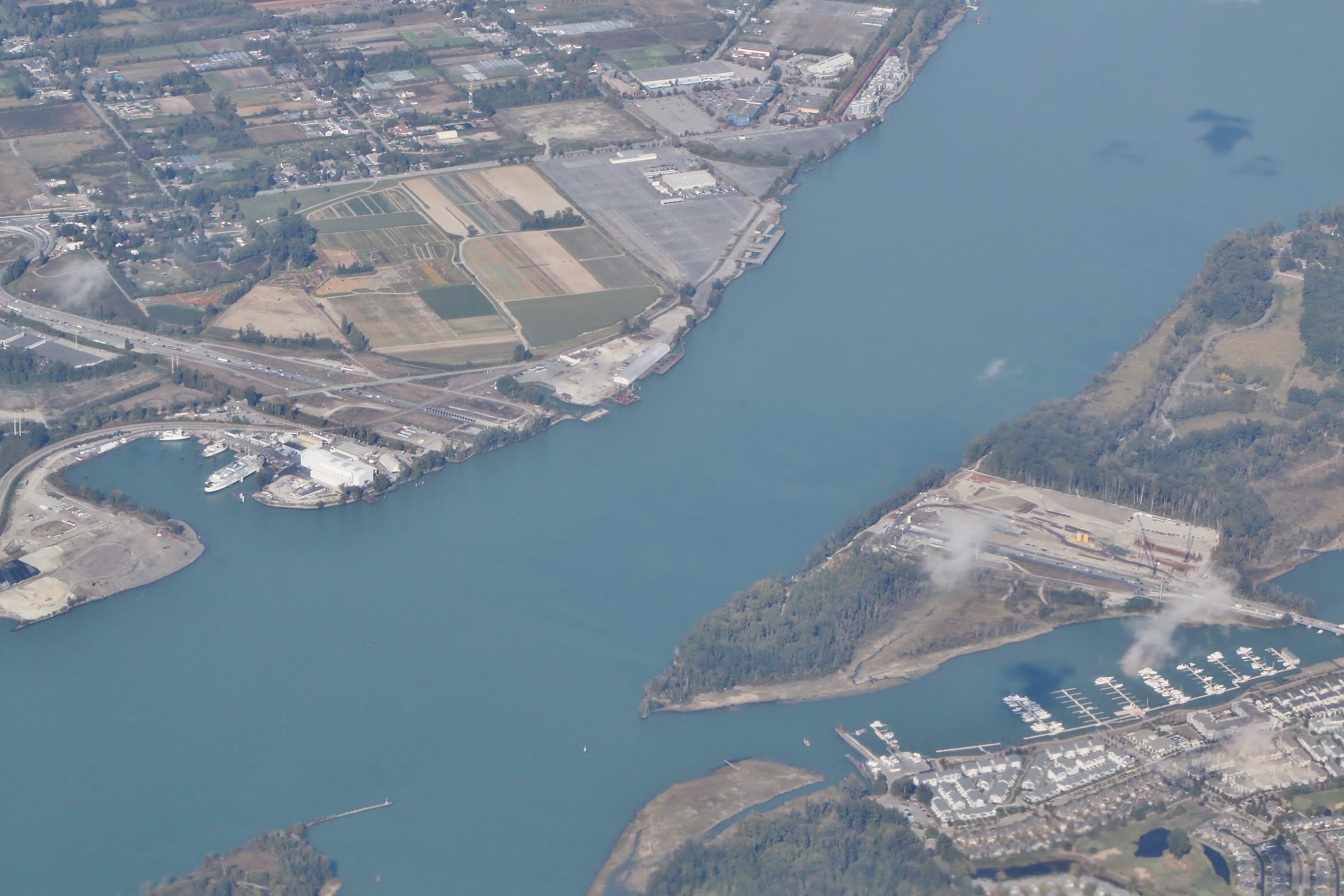
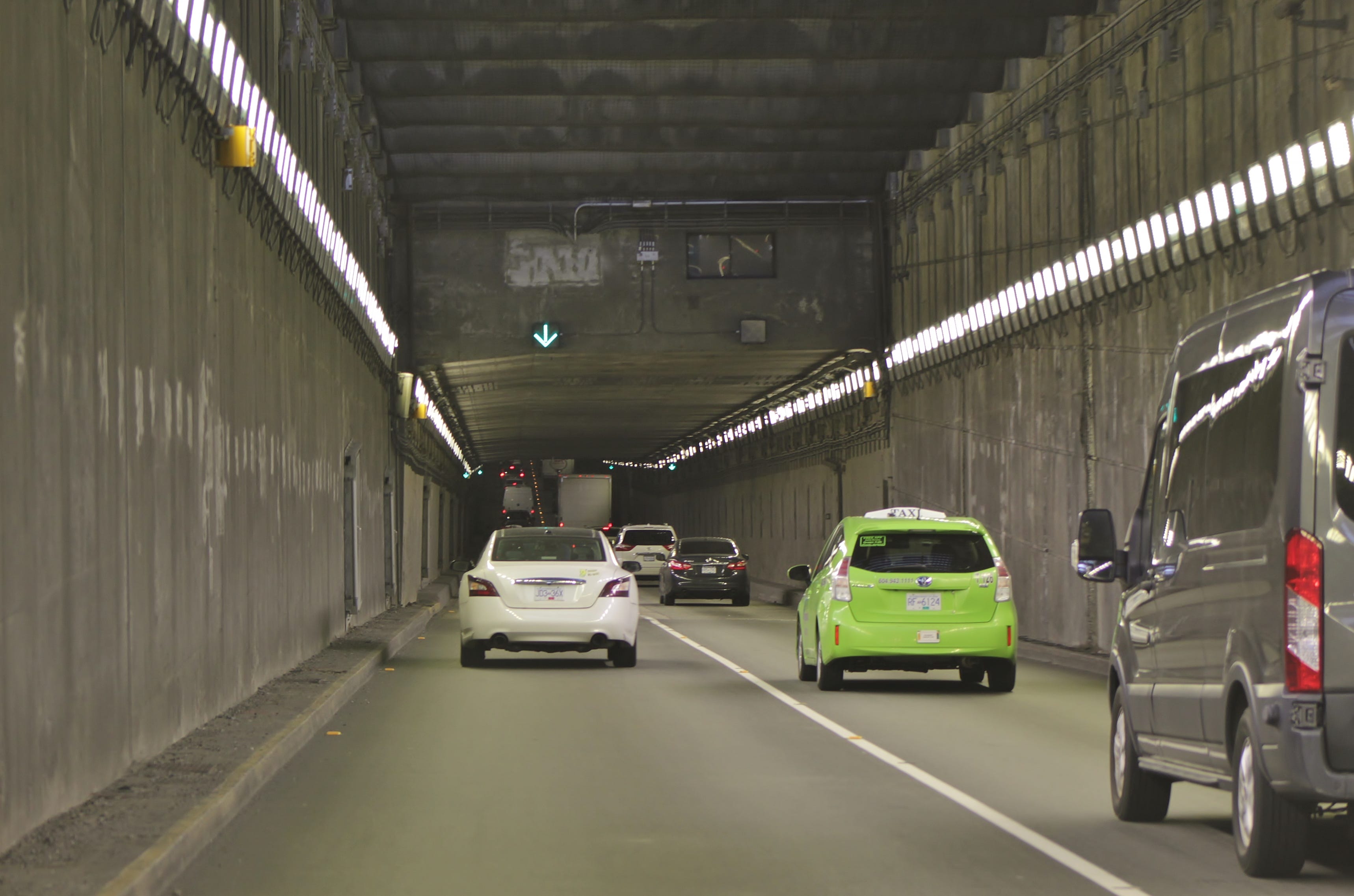
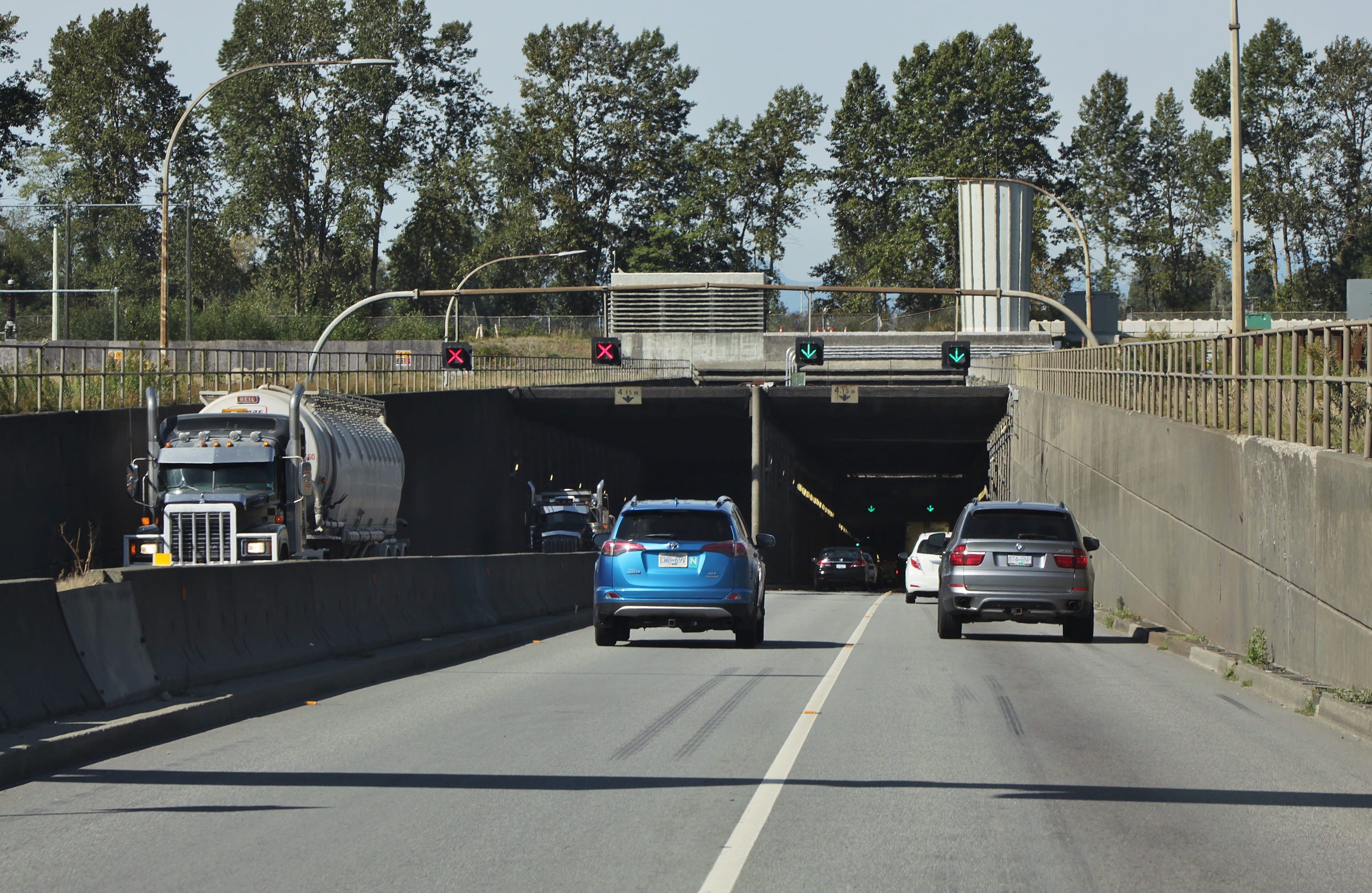
The project is meant to replace the George Massey Tunnel, which opened in 1959 and carries Highway 99 across the Fraser River. The province says the four-lane tunnel “no longer meets the region’s needs or modern seismic standards,” and it plans an eight-lane immersed-tube tunnel in its place.
The Transportation Investment Corporation (TI Corp), the provincial Crown corporation the province has assigned to procure and deliver the project, says in its service plan that it “provides updates publicly through Monthly Status Reports.” Those updates have carried the same $4.15-billion line in all 22 reports, from September 2024 through June 2026. No July, August or September reports had been posted as of October 19, 2026.
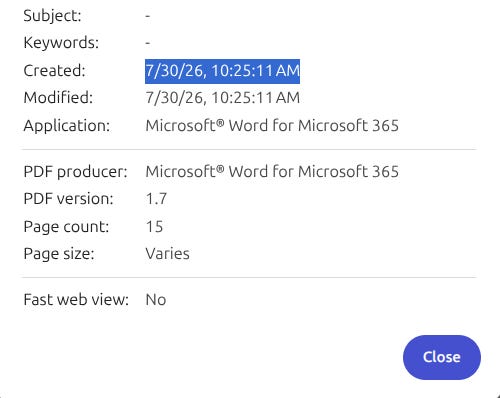
The last one posted, the June 2026 report, covers a month that ended before the province announced a new figure. Yet the PDF’s file metadata show it was created on July 30, 2026, more than three weeks after the Ministry of Transportation and Transit announced an “updated total project budget” of $8.5 billion on July 6. The report does not mention that figure.
Infrastructure BC, a provincial Crown corporation that leads procurement on complex capital projects for public-sector clients, posts this project’s procurement documents. Its project page still listed “Project Budget” and “Project Cost” of $4.15 billion and completion in 2030 when Coastal Front checked it on October 19, 2026. The project’s own overview page shows $8.5 billion and 2031.
That’s two official websites, two cost figures, two completion years.
At $8.5 billion, the new figure is more than double $4.15 billion; the difference is $4.35 billion. The budget’s major capital projects table showed $4,148 million on February 17, 2026, more than two months after a December 2025 memo, published by the BC Conservatives as an Office of the Premier document, said the province now anticipated an $8.5-billion budget.
Ottawa’s share is not settled either. BC has described the contribution as up to $3 billion, but its type and amount were still unconfirmed in September’s quarterly report.
The wording changed; the number did not
Through March 2025, the status reports said the project was “forecast to be delivered within budget.” That sentence disappears from the April 2025 report onward (its file metadata show it was created on June 4, 2025). The $4.15-billion figure stays. From the February 2026 report onward, the reports also say the estimate is “being updated and reviewed,” language Budget 2026 used as well.
So the trackers did flag uncertainty, eventually in red: the June 2026 dashboard marks budget status red while its objective still cites the “$4.15 billion” approved budget. In the reports, the number itself never moved.
Budget 2026 flagged an update and kept the old number
Budget 2026’s fiscal plan for 2026/27 to 2028/29, presented February 17, 2026, said the province was putting “$4.3 billion towards the Highway 99 Tunnel Program” and that “the estimated cost of the project is being updated and reviewed as the design and contract negotiations progress.”
Its capital projects table kept the old estimate. Table 1.8, which lists approved projects with multi-year budgets of $50 million or more, showed the Fraser River Tunnel Project at an anticipated total cost of $4,148 million and a year of completion of 2030. A footnote to the table repeated the update language and added: “Due to commercial sensitivities related to releasing an updated estimate for the project before a contract is executed, the Province will update the project budget and schedule once negotiations with the contractor have concluded.”
The December 2025 memo was published by the BC Conservatives and reported by CTV News, which said in an October 13, 2026 report that it obtained the document. It states: “While the 2021 approved budget was $4.15 billion, BC now anticipates a project budget of $8.5 billion.”
The province announced $8.5 billion on July 6, less than five months after budget day. Treasury Board is a cabinet committee; under TI Corp’s mandate letter, material changes to a project’s budget may need its approval. In September, the First Quarterly Report 2026/27 listed an anticipated total cost of $8,492 million and completion in 2031.
The number the minister would not give
In the legislature’s Committee of Supply on May 7, 2026, Conservative MLA Harman Bhangu asked Transportation Minister Mike Farnworth whether any scenario exceeded $6 billion, $8 billion or $10 billion, and what the highest cost estimate currently was.
Farnworth replied: “It’ll be the same answers I gave earlier, which is that we’ve laid out over the next three budget years how much we’ll be spending on the project. We’re currently working with the contractor on what that final cost is going to be. Those are negotiations on work that is confidential and is currently underway.” Asked whether a federal funding agreement had been finalized since the 2024 election, he said: “We have not received any formal funding offers from the federal government.”
The federal share that is still ‘TBC’
Less than two months later, the federal government set out its commitment. The July 2 Canada–British Columbia Cooperative Prosperity Agreement says Canada “commits to supporting up to one-third of capital costs, to a maximum of $3 billion,” and that this “could involve low-cost financing models or credit facilities in addition to direct financial support.” Its Annex A schedule lists detailed arrangements for the project’s financial commitments as due on or before December 1, 2026.
BC’s July 6 release said Canada “confirms funding contribution of up to $3 billion in capital costs.” By September, BC’s own quarterly report listed the federal share as “TBC.” A footnote in the report says the province has begun negotiations “to confirm the type and amount of commitment towards the project.”
One partner, then five packages
Under the original progressive design-build model, the construction price could only come from Cross Fraser Partnership, chosen through a competitive-selection process. The September 13, 2024, design-build agreement request for proposals says only that proponent may submit proposals. Its indicative timeline set a March 7, 2026, proposal deadline, less than three weeks after budget day, “subject to change.” Later amendments may have moved it.
In June 2026, the procurement approach changed. After the province and Cross Fraser Partnership failed to agree on commercial terms for final construction, the province exercised a termination option and moved to retender the remaining work in five packages. As of the June status report, early works were still being delivered by Cross Fraser Partnership.
Money has already gone out. Public Accounts 2025/26 show $143,188,050 in Consolidated Revenue Fund (core-government) payments to Cross Fraser Partnership that year. The June status report puts total project spending to date at $580.7 million.
In a report published October 13, CTV News quoted Premier David Eby saying: “We’re seeing bids come in, significantly lower than the original costing.” CTV reported that Eby “explained the higher estimate was not included in February’s budget because the project cost had not been finalized and the government was still assessing bids.”
The September report still shows $8,492 million. Eby has not publicly said which bids he meant. Infrastructure BC’s project page lists July 13 and August 11, 2026, as closing dates for qualification submissions on two of the five packages, including GC-1, the immersed-tube package. No priced proposals for the main construction packages are public; GC-1’s request for qualifications sets an anticipated proposals deadline of December 7, 2026.
What the record does not answer
Coastal Front found nothing in the public record that explains why the June status report, whose file metadata show it was created after the July 6 announcement, does not mention the new figure, or why Infrastructure BC’s page still lists $4.15 billion and 2030.
Coastal Front also found no published record of when, if at all, Treasury Board approved $8.5 billion. And the public record does not yet show what form the federal contribution — described by BC as up to $3 billion — will take: grant, loan or credit facility.
Two dates on the public record are still ahead. The federal agreement’s Annex A lists “Detailed arrangements for the financial commitments related to the George Massey Tunnel Replacement Project” under “On or before December 1, 2026.” The anticipated GC-1 proposals deadline is December 7.