


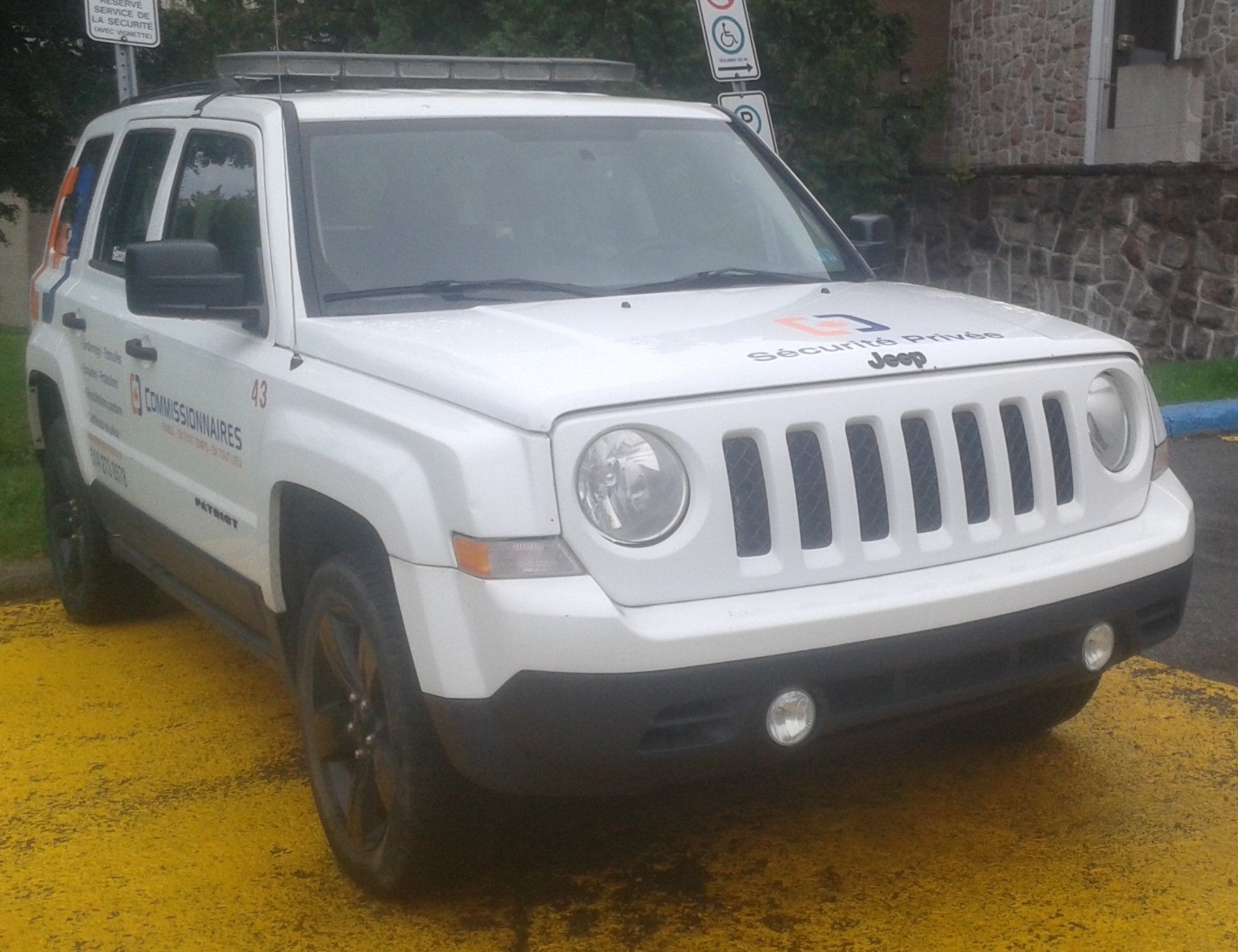

Ottawa gives Commissionaires a head start on federal guard work worth about $350 million a year, without inviting other bids. It has kept the arrangement going while the organization missed the veterans’ work requirement attached to it.
Veterans Affairs Canada (VAC) briefing notes say the Corps of Commissionaires “has not been meeting” that requirement since 2013-14. That is more than a decade.
The requirement is that veterans work at least 60 percent of the hours on those contracts in each fiscal year. The latest figure in the notes is 27 percent nationally, for April to June 2025. For that quarter, that is less than half the required share. The notes give no full-year figure.
A note prepared to help the veterans affairs minister answer questions in the Commons was received in December 2024. It asks: “Why is VAC continuing the policy if the Corps has not been meeting the 60 percent requirement?”
The answer says the policy will “encourage the Corps to continue prioritizing the hiring and retention of Veterans.” Most of the Corps’ veterans are over 50, the note says, and they “would likely be met with challenges in finding alternative employment” if the arrangement ended.
That head start now ends March 31, 2027, VAC says. The Corps has asked the Federal Court to review that decision.
A requirement with consequences
The arrangement is called a right of first refusal. Departments request guard work from the Corps before other security firms, and can go elsewhere when it declines.
The minister’s note describes the Corps as a non-profit with “a stated social mandate to hire Veterans” that has supplied guard services to the government “for over 75 years.” It also says the Corps “met the policy requirements for the majority of the years” since the arrangement began.
But the rules did more than encourage hiring.
Until March 2023, a Treasury Board policy set the rules. The Corps had to give Public Works, now Public Services and Procurement Canada (PSPC), an annual audit showing that veterans worked at least 60 percent of the hours nationally. If a Corps division fell short, the Corps had to take corrective action.
Departments “will not be permitted to raise new call-ups,” or new orders, unless the Corps could attest to meeting the minimum, the policy said.

No record Coastal Front found gives the audited share for any single year from 2013-14 to 2022-23, or says whether the bar on new orders was ever triggered or applied.
The government’s records also differ on when the shortfall began. For 2006-07 to 2015-16, PSPC said, the Corps’ annual attestation “confirmed each year that a percentage over 60 percent had been achieved.” The 2014 evaluation says an annual audit by independent auditors, hired by the Corps’ regional divisions, had to show the 60 percent.
In November 2011, the same department, then called Public Works, gave an earlier account. Pablo Sobrino, an associate assistant deputy minister there, told senators the department ensured compliance “by obtaining a formal annual audit from the corps’ third-party financial auditor.” According to those audits, he said, national veteran participation fell “from 73 percent in 2006-07 to 62 percent in 2009-10,” still above the 60 percent line.
Third-party audits and more detailed reporting since 2016-17 “have identified that the 60 percent requirement has not been met from fiscal year 2016-17 onwards,” PSPC told Parliament in January 2023.
In 2018, the government added quarterly reporting and corrective action plans. Treasury Board renewed the policy “most recently in March 2020,” to March 31, 2023, PSPC told its incoming minister in 2022.
VAC took over the policy on April 1, 2023. Its rules say that when the share falls short, VAC must “request and receive a corrective action plan.” The Corps’ October 2024 report “outlines various steps the Corps is taking,” VAC says. The report also confirms, VAC says, that the number of veterans on first-refusal contracts is “well below the 60 percent Veteran-worked hours requirement.”
“It’s not needed”
The Corps has disputed the value of the target itself.
In February 2023, Paul Guindon, chief executive officer of Commissionaires Ottawa, spoke for the Canadian Corps of Commissionaires at the House of Commons veterans affairs committee. “In the federal government, it’s not about the number of veterans; it’s about hours of work, and it’s about 38% or so,” he said.
Asked whether 60 percent was an unrealistic target, he said: “It sure is. It’s not needed. It doesn’t bring anything to veteran employment at all.”
The Canadian Press reported in April that the Corps’ court documents name government-set wage levels and a falling number of veterans among the reasons for the shortfall. Michel Charron, who heads the Commissionaires’ Ottawa division, told the news agency that Veterans Affairs has never imposed consequences on the Corps for missing the target.
Preferential access ends in 2027
On April 27, Veterans Affairs Minister Jill McKnight was asked at the Commons veterans affairs committee to justify ending the right of first refusal. “We are looking to expand our opportunities for employment for veterans, to meet them where they are,” she told the committee.
The court hearing is set for December 9, 2026, in Toronto, the registry shows. The Attorney General has asked the court to dismiss the case. As of November 14, 2026, the registry showed no ruling.
Ending the head start would not shut the Corps out. From April 1, 2027, VAC’s notes say, “The Corps will be able to compete for guard services under the competitive process.” The briefing notes put no price on buying this work competitively.
Until then, Commissionaires keeps its head start, despite years of missing the requirement attached to that privilege.