


In another display of the double standards that shape Canadian foreign policy, Ottawa has sanctioned a defence manufacturer whose armoured vehicles have been used by Russia’s National Guard while simultaneously working to increase Canadian defence exports to Saudi Arabia.
Foreign Affairs Minister Anita Anand announced sanctions against Streit Group on August 10. Global Affairs Canada said armoured vehicles manufactured by the company had been used by the Russian National Guard, or Rosgvardia, in the war on Ukraine.
The department said Streit had a history of supplying Russian entities with defence products and accused the company of continuing to “feed Russia’s war machine.” The sanctions, it said, would help reduce Russia’s military capabilities by disrupting Streit’s ability to supply military technology and equipment to Russia.
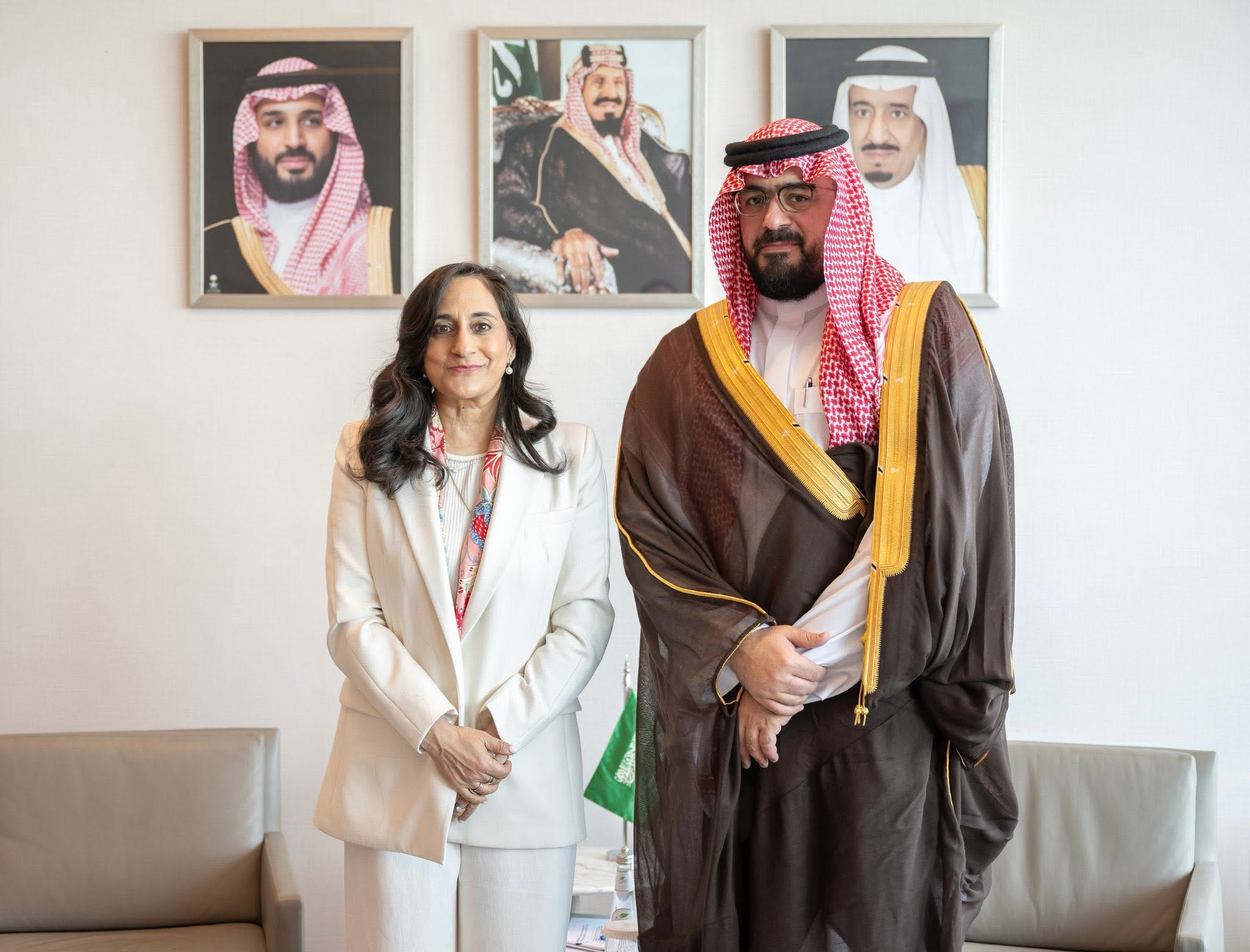
Just one month earlier, Prime Minister Mark Carney was in Saudi Arabia promising deeper defence cooperation and increased Canadian defence exports.
Carney travelled to Jeddah on July 9 for the first visit to Saudi Arabia by a Canadian prime minister in 26 years. He met Crown Prince Mohammed bin Salman and announced a broad expansion of relations covering trade, energy, technology, critical minerals and defence.
Canada and Saudi Arabia signed 13 commercial agreements and memorandums of understanding worth more than $1 billion. The two governments also committed to finalizing an MOU on defence cooperation.
Canada will establish a resident Defence Attaché in Riyadh to increase the frequency and depth of bilateral engagement and, according to the Prime Minister’s Office, “increase exports from Canada’s defence sector.”
Ottawa also plans to have a national pavilion at the World Defence Show in Riyadh in January 2028.
The military relationship is already substantial.
Saudi Arabia received more than $1.15 billion in controlled Canadian military goods in 2024, making it Canada’s largest non-U.S. military export destination. Canadian military exports to the kingdom were worth approximately $403 million in 2025.
A substantial portion of those exports is believed to consist of Canadian-made light armoured vehicles.
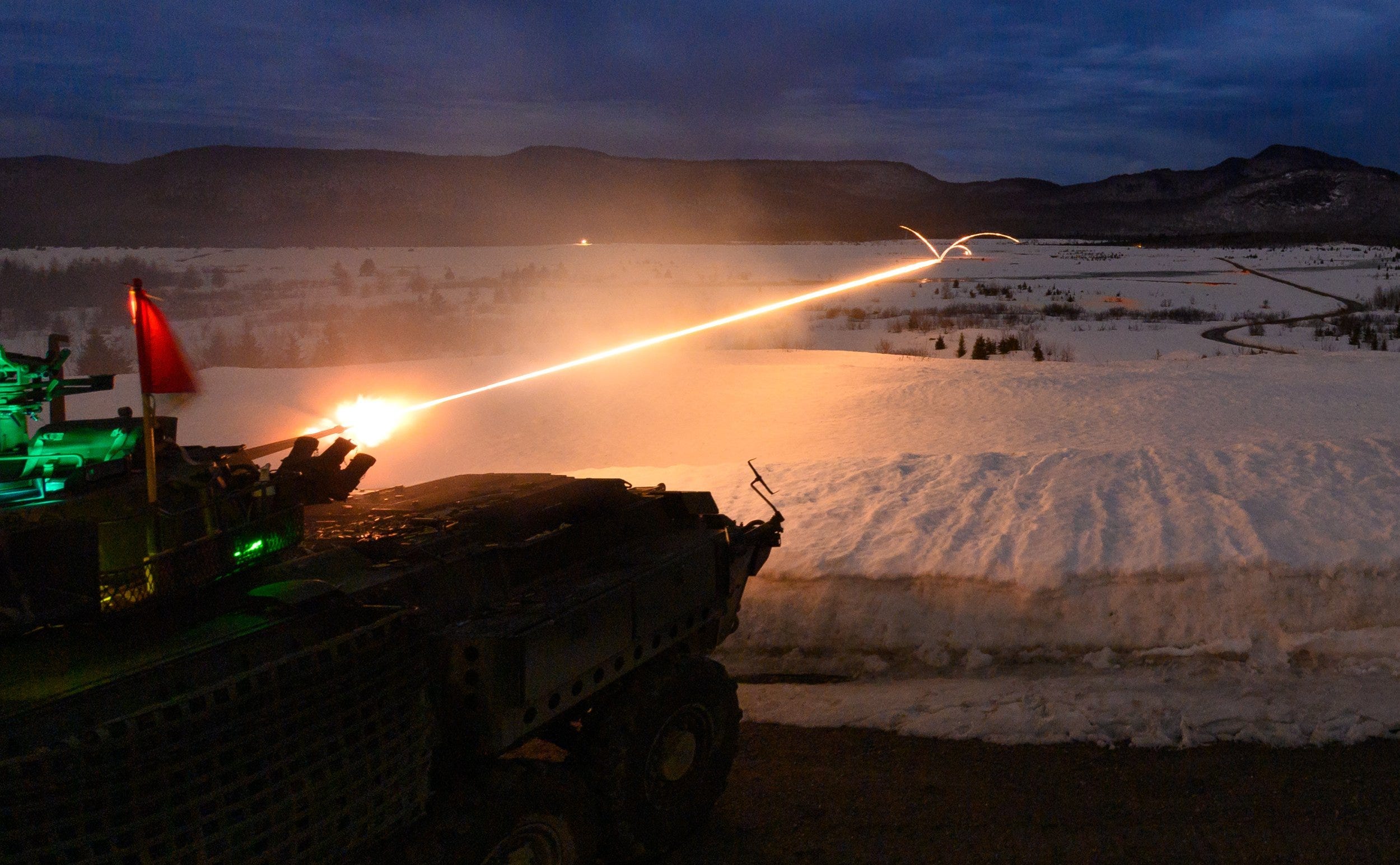
Those exports continued during Saudi Arabia’s role in the war on Yemen and years of criticism over the kingdom’s repression at home. They also continued during the diplomatic rupture that began in 2018 after Canada called for the release of imprisoned Saudi activists.
Ottawa has long defended the relationship on strategic and economic grounds. A 2020 Global Affairs Canada export review described Saudi Arabia as a key player in global energy security and a valued partner in maintaining regional stability.
The government has separately defended the arms relationship on employment grounds. In 2020, then-foreign minister François-Philippe Champagne warned that cancelling the light armoured vehicle deal could jeopardize thousands of Canadian jobs. Yet critics argue that this logic prioritizes short-term economics over ethical consistency. Civil society groups, including the Canadian Labour Congress, have called for an economic conversion strategy to support diversification into sectors less reliant on international arms sales.
Under Carney, expanding the Saudi relationship has become a clear objective.
Later in July, Bombardier signed a letter of intent with The Helicopter Company for 12 business jets, with options for another 48. The company is owned by Saudi Arabia’s Public Investment Fund, whose board is chaired by Mohammed bin Salman.
Minister Anand celebrated the agreement.
“Bombardier’s agreement with Saudi Arabia’s The Helicopter Company for up to 60 business jets is another global win for Canadian aerospace,” she wrote on X.


International Trade Minister Maninder Sidhu similarly praised the deal and linked it to approximately $600 million in commercial agreements reached during his own trade mission to Saudi Arabia earlier this year.
The initial 12-aircraft portion of the proposed Bombardier deal carried a US$568 million value at list prices.
The timing is notable.
The Iran factor
During Carney’s July 9 visit, Anand described the deepening relationship with Saudi Arabia as a “new chapter” and cited, among other things, “solidarity in the face of Iranian aggression over the past months.”
Later that month, Saudi Arabia joined the U.S.-Israeli war on Iran, with Saudi and U.S. fighter aircraft striking logistics and weapons sites in eastern Iraq linked to militias Washington said were backed by Iran.
U.S. Central Command said the strikes followed more than 30 drone attacks it described as directed by Iran’s Islamic Revolutionary Guard Corps.
An Iraqi paramilitary group said at least 20 of its members were killed.
The next day, on July 29, Anand separately praised the Bombardier agreement with the Saudi sovereign wealth fund-owned company.
Twelve days later, on August 10, she announced the Streit sanctions.
In the Streit case, Ottawa pointed to the use of the company’s armoured vehicles by Rosgvardia, accused it of helping “feed Russia’s war machine” and imposed sanctions intended to disrupt its ability to supply military equipment to Russia.
Saudi Arabia, meanwhile, has received billions of dollars in Canadian military goods over the years, intervened militarily in Yemen and has now joined the U.S.-Israeli war on Iran.
Ottawa’s response has been to deepen the relationship.
Carney travelled to Saudi Arabia, signed more than $1 billion in commercial agreements and MOUs, committed Canada to greater defence cooperation and announced a Defence Attaché whose mandate includes increasing Canadian defence exports. Anand then celebrated a major Bombardier deal with a company owned by the Saudi sovereign wealth fund.
Canada, as usual, is not applying a consistent principle against supplying states involved in war. It is sanctioning a company for contributing to Russia’s military capacity while actively seeking more defence business with Saudi Arabia.
The contrast here is hard to ignore. Economic and strategic interests clearly play a major role in how Canada approaches different countries, which makes consistency in foreign policy worth questioning.