


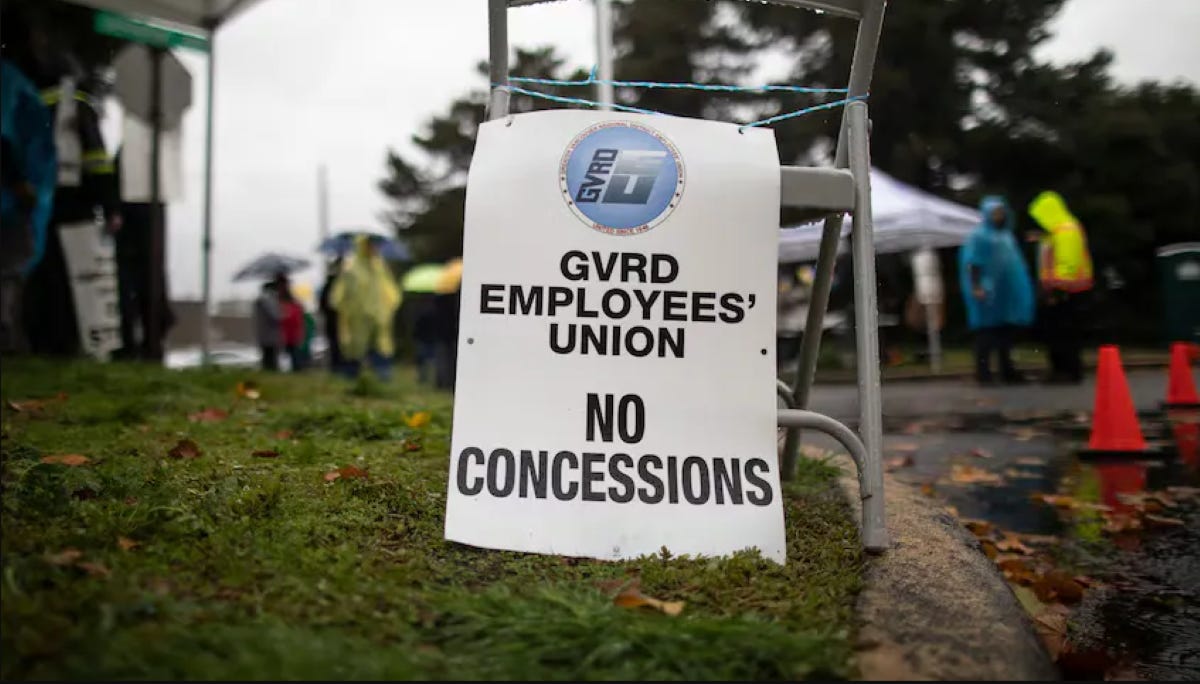
As Vancouver continues to host the ongoing seven scheduled games for the 2026 FIFA World Cup, over 700 outside workers from the Greater Vancouver Regional District Employees’ Union (GVRDEU) began a full-scale strike on June 15. This strike is the result of a collective agreement that expired 17 months ago.
Meanwhile, members of Unifor Locals 111 and 2200 have voted 99 percent in favour of strike action at Coast Mountain Bus Company (CMBC), signalling a readiness to escalate protest after months of bargaining for a contract they believe to be fair.
In a statement to Coastal Front, Metro Vancouver representative Jillian Glover confirmed that as of Monday, they are prepared to enter mediation with the GVRDEU through the Labour Relations Board. Glover also claimed that Metro Vancouver has been willing to enter mediation since January.
“We want to reassure residents that essential services are continuing without disruption under our essential services agreement with the GVRDEU,” she said in the statement. “This includes critical services such as drinking water, wastewater treatment, solid waste management, air quality monitoring, regional parks access, and housing.”
While the mediation talks are back on and much of the strikers have resumed their duties, GVRDEU has stated that its members are still removed from the following capacities: “Acting Roles, No Standby, No Overtime.” Coastal Front reached out to the GVRDEU for comment, but could not find a functioning communication channel.
TransLink Strike Mandate
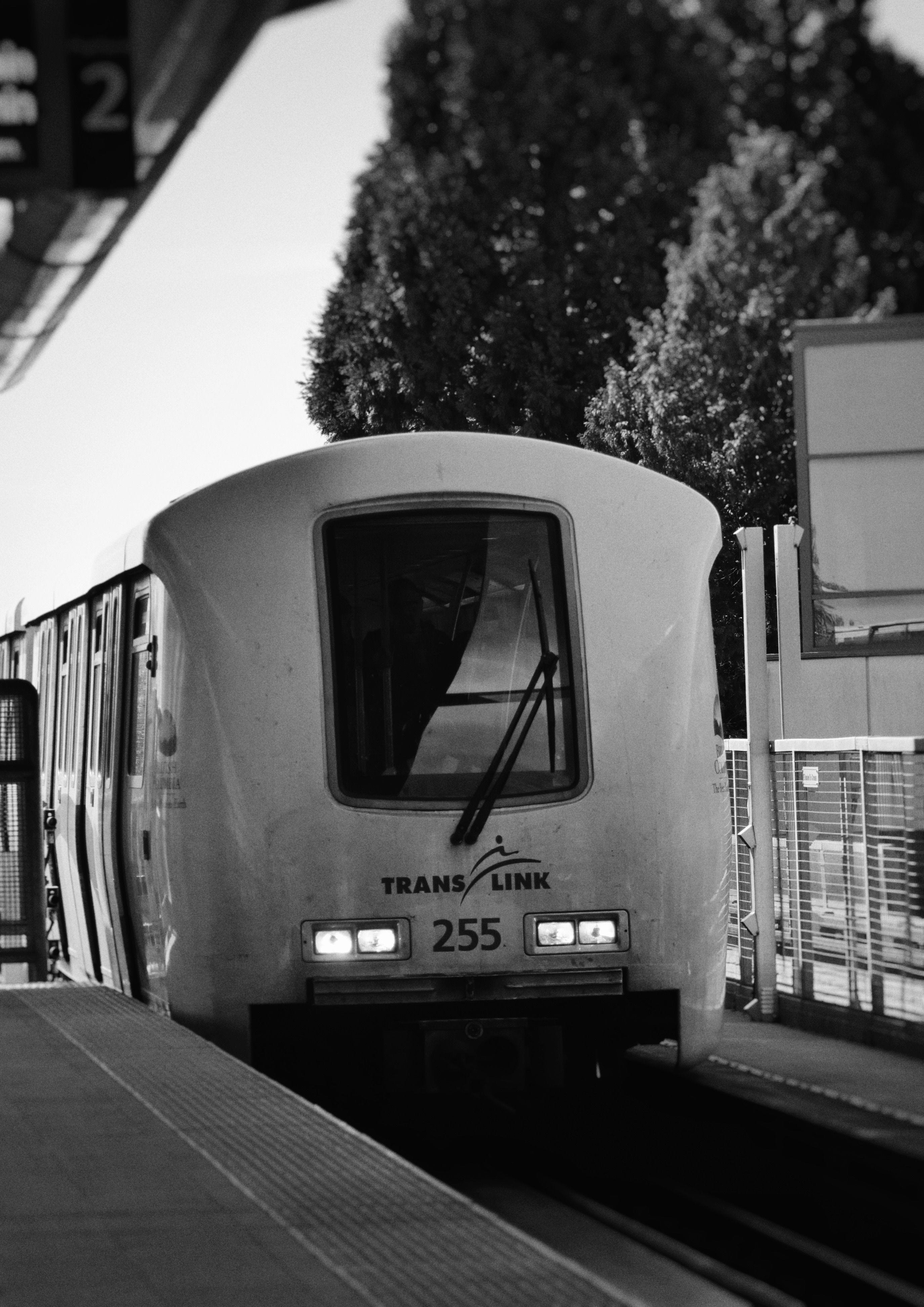
The strike mandate from Unifor covers transit operators, maintenance workers, SeaBus crews, Community Transit operators, and Spareboard members across the Metro Vancouver region. The mandate doesn’t guarantee job action, but gives the aforementioned members the option to strike with a 72-hour notice.
Bargaining between the unions and the CMBC has been ongoing since February, but workers have been without a contract since March 31.
CMBC told Coastal Front in a statement, “Coast Mountain Bus Company and Unifor Locals 111 and 2200 have agreed to continue discussions with the assistance of mediation. CMBC remains committed to reaching a fair agreement and will not be commenting further at this time.”
The Unifor Local 333 in Victoria also voted 97 percent in favour of strike action, with their collective agreement expiring on March 31 as well.
“Transit workers are not asking for the world. They are asking for a fair contract that keeps pace with the cost of living in one of the most expensive cities in the country,” said Gavin McGarrigle, Unifor Western Regional Director, in a statement. “The sooner the employer recognizes that, the sooner we get a deal.”
FIFA In Progress
Meanwhile, the provincial BC government has updated its cost projections for the 2026 FIFA World Cup games being hosted in Vancouver.
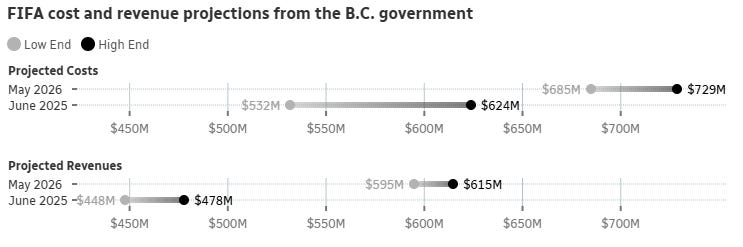
The projected overall net core and essential provincial costs of hosting the matches have been reduced by $31 million compared to 2025 estimates, from a high of $145 million to a high of $114 million. The province also estimates approximately $1 billion in GDP supporting B.C.’s economy and more than $200 million in direct, indirect, and other related provincial tax revenues.
However, it is essential to note that the provincial government considers taxpayer funding from the federal government as part of the “revenue stream” that offsets the projected costs.
The lower end of the projected costs falls into the $685 million range, while the lowest possible projected revenue will be around $595 million, which gives us the lowest possible cost of $90 million for provincial taxpayers to bear. This is assuming the lowest figures for both estimates can be maintained.
Next spring, a final accounting of World Cup costs and revenues is expected to be publicly unveiled, which will allow the people of this province to determine the worth of hosting seven soccer games.
Vancouver handled the World Cup pressures better than many expected. The real question now is whether the long-term economic benefits justify the public investment.