


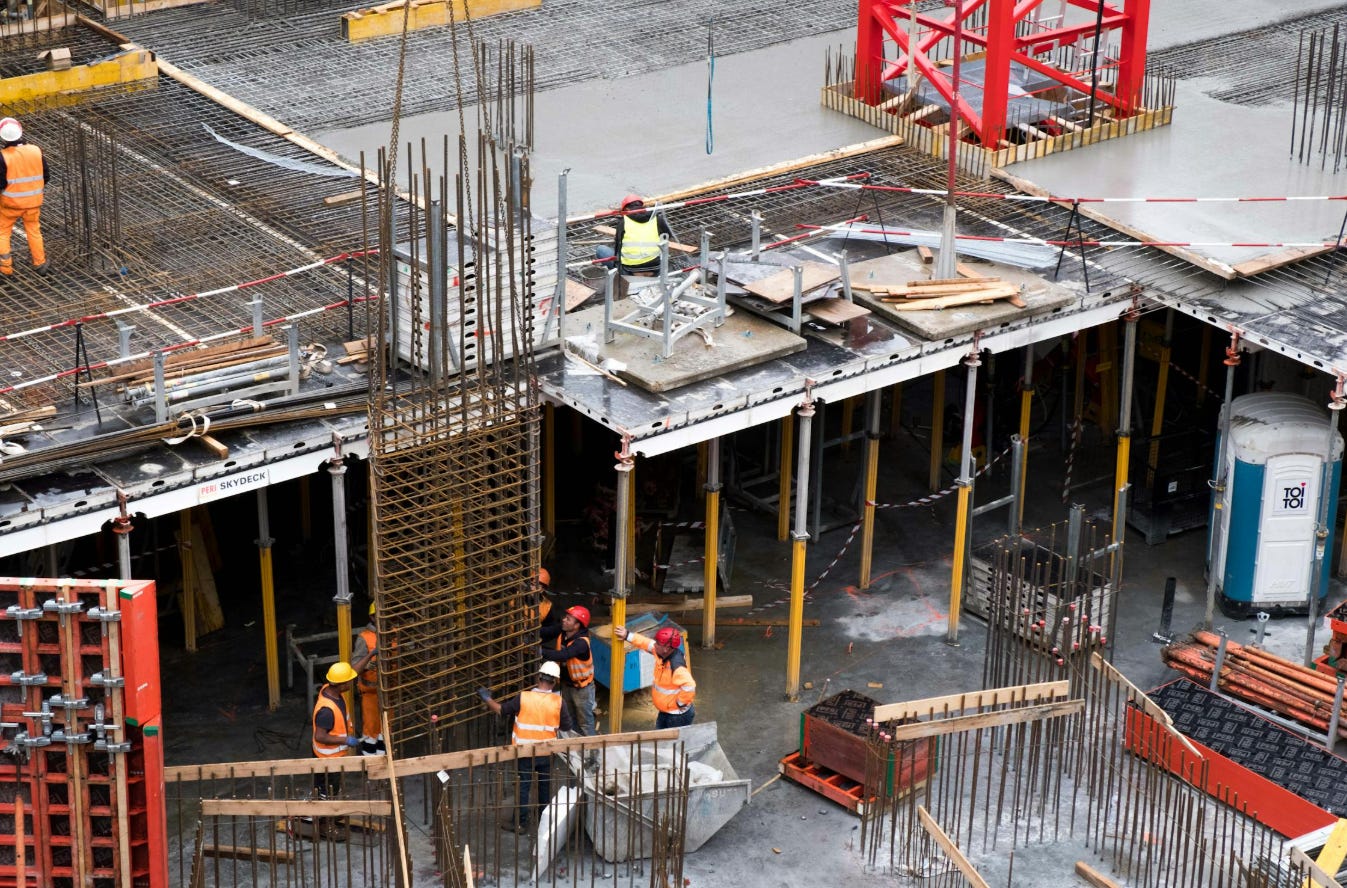
The British Columbia government is providing $6.75 million in funding to four manufacturing companies in the province’s southern Interior, a move it says will create jobs and strengthen local supply chains, but one that again puts public money into private-sector expansion.
The funding, delivered through the province’s BC Manufacturing Jobs Fund, is tied to 101 new jobs and more than $60 million in total capital investment in the region, according to a government release.
Premier David Eby said the investment is part of the province’s Look West plan to help BC businesses grow and meet demand for local products.
“By working with local producers, we can help them scale up and meet that demand,” Eby said in the statement.
Among the recipients, Mako Wood Furniture will receive up to $5.5 million to build a new facility in Merritt while retaining its Surrey operations, creating 29 jobs.
Good Way Homes will receive $625,000 to build a new manufacturing facility in Malakwa and buy equipment, creating 27 jobs, while Dinoflex Group will receive $410,000 to upgrade its Salmon Arm facility, creating seven jobs. Kinetic Custom Trailers will receive $216,000 to expand into an additional facility in Penticton, creating 38 jobs.
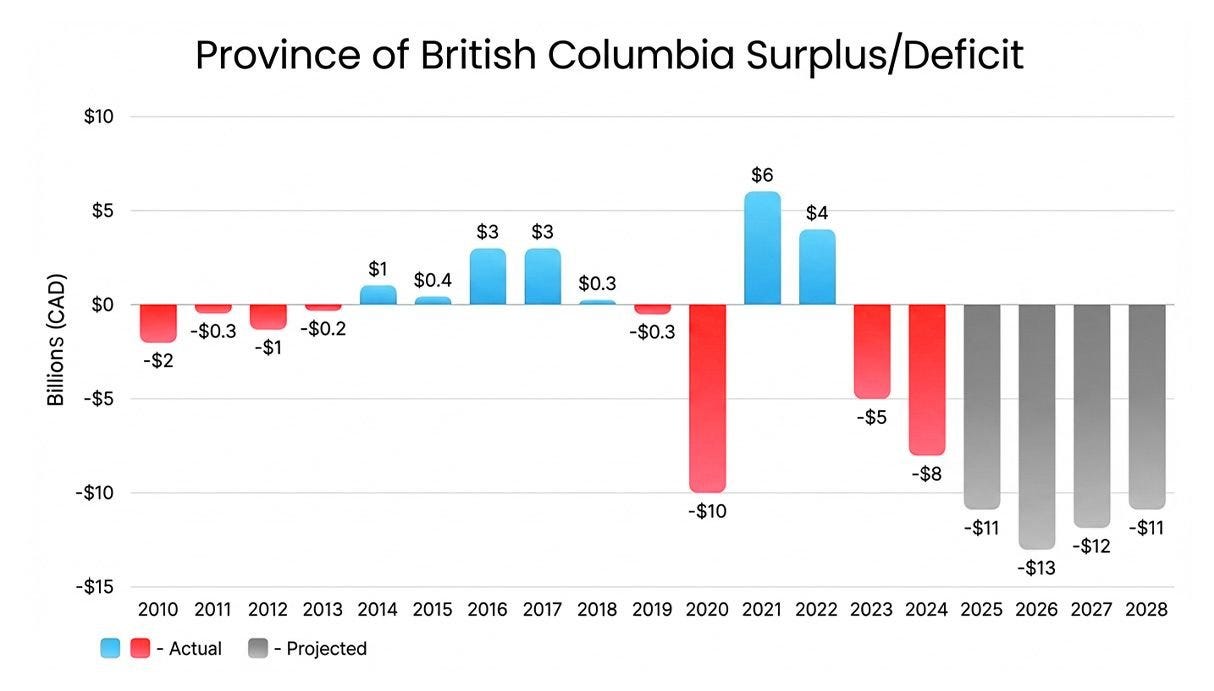
The funding comes as British Columbia faces mounting fiscal pressure, including two recent credit-rating downgrades linked to rising deficits and debt, with projections pointing to continued borrowing in the years ahead and no clear path back to balance.
The announcement builds on earlier funding for Kelowna-based Farming Karma, which received $2 million through the program and has since doubled production and hired 20 more people to date.
The province says the BC Manufacturing Jobs Fund has committed up to $154 million across 156 capital projects, supposedly creating more than 2,100 jobs and “protecting” more than 2,700 jobs.
Those figures — along with projections of $17 billion in economic activity, nearly $7 billion in added gross domestic product and $714 million in provincial revenue — are based on expected impacts during construction and the first few years of expanded operations.
The release does not include details on what conditions are attached to individual funding agreements or how job and investment targets are measured once projects are complete.